
Better results. Less chemistry.™
- Careers

State-of-the-Art Technology
Our tech-enhanced cleaning transforms your process, boosts efficiency, and promotes environmental sustainability.

Proven Results
With over six generations of expertise, our team thrives on solving challenges. Your success is our success.

Resource Library
Access product bulletins, safety information, and product documents, along with more resources for additional information.

About Hubbard-Hall
Our mission is to help manufacturers tackle complex surface cleaning, finishing, and wastewater treatment problems.

Contact Our Experts
Our people. Your problem solvers. Connect with a Hubbard-Hall representative today.
The Foundations of Great Pre-treatment: Time, Temperature, and Testing
Blog
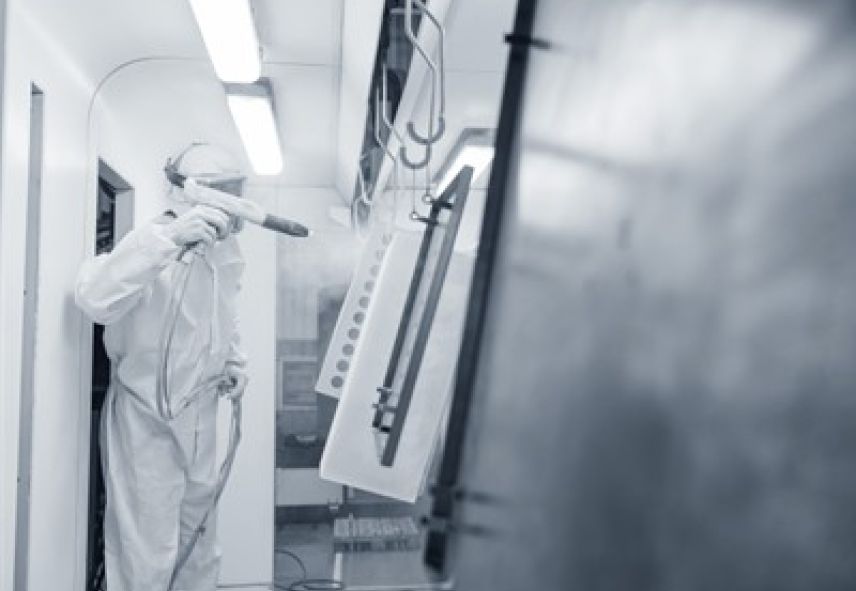
Pre-treatment is the unsung hero of every high-quality finish. Skip it (or get it wrong) and even the best coatings, paints, or conversion processes can fail. But when done right, pre-treatment sets the stage for consistent, repeatable results that protect your parts and your reputation.
We spoke with Gary Raihl, Hubbard-Hall’s expert in pre-treatment, about what it takes to get it right. His advice comes from decades of experience on the plant floor and in the lab. The takeaway? Master three critical factors: Time, Temperature, and Testing.
Time: Ensure Proper Exposure in Each Stage
Pre-treatment is all about ensuring each part receives the chemistry it needs. That means giving it the right amount of time in each tank.
For a cleaner stage, you may need 90–120 seconds. If you only give 60, the chemistry doesn’t have time to do its job.
Too little time can leave soils behind or result in uneven water sheeting. Too much, and you risk wasting chemicals or over-processing the part. Conveyor speed, stage length, and workflow all factor into getting timing right.
Temperature: The Sweet Spot
The right temperature ensures the chemistry reacts as designed. Too hot, and you can damage sensitive tank materials or trigger unwanted reactions. Too cold, and the chemistry underperforms. Adjustments to temperature often require balancing time and concentration to maintain optimal results. Always consider the tank material and the stage’s intended chemistry before making changes.
Testing: Validate, Verify, and Repeat
Even the most carefully planned pre-treatment line can drift over time. That’s where testing comes in. Gary emphasizes using both lab testing and in-process validation:
- Lab tests: salt spray, coating weights, and customer-specific requirements
- Process logs: pH, chemical concentration, dwell time, and temperature for each stage
- Operator accountability: trained personnel running titrations and documenting results
Testing ensures the process works on the first pass and remains consistent. It gives operators ownership, reduces surprises, and keeps quality predictable.
End Note: Why Communication Matters
Even a well-designed pretreatment system can fail if key players aren’t communicating. Missteps, like putting an acid cleaner in a stage built from mild steel, often come down to missed conversations between equipment suppliers, chemical providers, and finishing teams.
Group meetings and clear alignment on changes keep everyone on the same page. When the team is coordinated, the system runs smoothly, chemistry performs as expected, and quality stays consistent.
Hear how this plays out in real shops - this podcast breaks it down in more detail