Better results. Less chemistry.™
- Careers

State-of-the-Art Technology
Our tech-enhanced cleaning transforms your process, boosts efficiency, and promotes environmental sustainability.

Proven Results
With over six generations of expertise, our team thrives on solving challenges. Your success is our success.

Resource Library
Access product bulletins, safety information, and product documents, along with more resources for additional information.

About Hubbard-Hall
Our mission is to help manufacturers tackle complex surface cleaning, finishing, and wastewater treatment problems.

Contact Our Experts
Our people. Your problem solvers. Connect with a Hubbard-Hall representative today.
Considerations for Proper Cleaning for Heat Treating
Blog
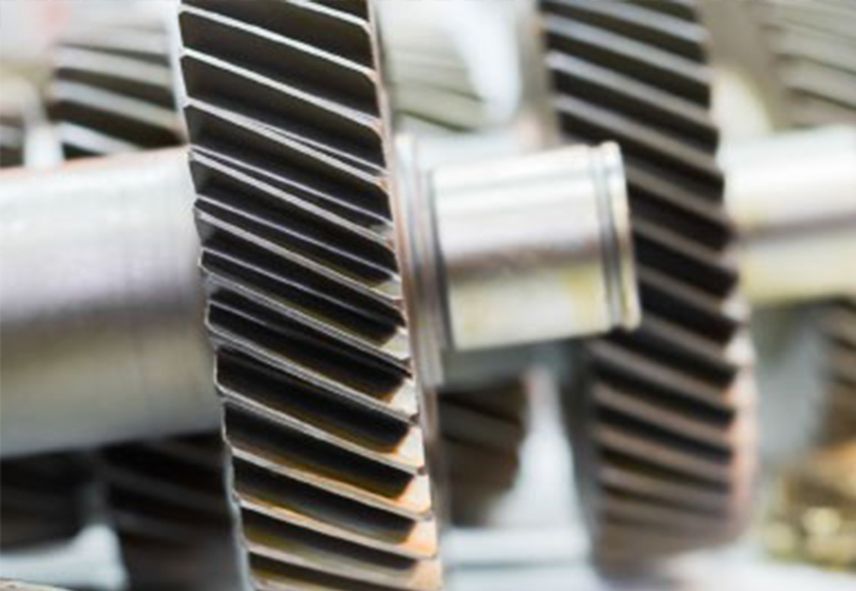
Whether you are using solvent or aqueous cleaner, you need to consider many variables to find the best process to properly clean your parts before heat treatment, to extend the life of your equipment and to supply high-quality heat treatment without any soft spots or stains on the part.
1. What is the contamination? What kind of oil are you using that will need to be removed?
Do a deep dive into the process, look at the SDS of the products currently used to determine the oil that you are working with. Light oil or chlorinated/sulfonated oils are heavy and there are different methods depending on the oil. Knowing exactly what oil it is determines the type of cleaner used. Understanding the oil to be removed, will be easier to plan on what will be the best type of cleaning and equipment to be used.
2. What is the part you are treating?
Geometry and alloy determine the process and the size of the chamber and/or tanks needed. Without the proper process in place residual contaminates “burn” into the surface during the heat treat step – causing an increase in scrap and dissatisfied customers.
3. Polar or Non-polar?
This determines the effectiveness of the chemistry you use on various contaminants. Solvent cleaners such as chlorinated, hydrocarbons and modified alcohols are used on non-polar and water soluble are effective on resins and stearates. Aqueous cleaners such as alkaline and acidic cleaners are water soluble or polar and effective against most contaminants.
4. What is the current process?
Are you using aqueous cleaners with spray belt machine or ultrasonics, solvent degreaser open top machine, or vacuum sealed degreasers? Evaluate your current process and identify where you can optimize to save money and time for effective cleaning and low-cost impact.
5. What cleaner is recommended for heat treat applications?
Once you understand the contamination, alloy, polarity, and current process, the right cleaner becomes clearer.
For many heat treat operations, AquaEase® PL 72 A32 is a versatile option. This mildly alkaline, non-chelated, non-silicate cleaner is designed for spiral spray washers, immersion tanks, dip systems, and ultrasonic applications. It effectively removes quench oils, synthetic lubricants, coolants, and forming compounds from ferrous metals, stainless steel, aluminum alloys, copper alloys, and zinc die castings — helping prevent carbonization, staining, and downstream heat treat issues.
Learn more about our Heat Treatment capabilities and Aqueous Cleaning chemistry or listen to our podcast for a deeper discussion on process optimization and heat treat cleaning considerations.